

The Final Hours of the Japan-Iran Special Relationship?
A century of Japanese neutrality has survived the 1979 revolution. It faces being dismantled following the US/Israel attacks on Iran.

A brief note from me:
While I am in the midst of a quiet season for my health, Spirit is prompting me to share these specific insights with you today. Even though my physical and cognitive capacity is very low — and I am navigating intensive medical treatment and the weight of severe fatigue — I cannot step away from the sacred contract I have to provide the information I am guided to share.
I am currently managing a level of exhaustion that means, although I truly love hearing from you, I do not have the energy to respond to your comments at the moment. Please know that I see you and value your presence here more than I can say. And if you would like to support me through this recovery and help ensure this work remains freely available to everyone, I would warmly welcome you becoming a paid subscriber. Your kindness helps me focus on the work of healing while I continue to share what is required of me.

Dear friends
Earlier this week, the Trump administration issued a direct call for Japan and several other allies to provide military protection for the Strait of Hormuz. Every nation involved declined the request. However, as Prime Minister Sanae Takaichi arrives for her summit in Washington today, that refusal appears increasingly fragile. While Takaichi has stated that she will explain the limitations of Japanese law to the President, she is likely to face a diplomatic ambush of the kind previously seen with Volodymyr Zelensky and Cyril Ramaphosa. She arrives with a list of legal constraints, but she will likely leave having been pressured to concede significant ground.
To understand why this represents such a profound shift, we must look at the history Tokyo is being asked to abandon.
For much of the last century, Japan has maintained a diplomatic posture toward Iran that is distinct from almost any other major Western power. This relationship is often described as special because it has functioned as a deliberate exception to Japan’s otherwise total alignment with American foreign policy. While most of the G7 nations have historically viewed Iran through the lens of containment and sanctions, Tokyo has consistently prioritised a policy of engagement, driven by a mixture of extreme energy vulnerability and a desire to act as a bridge between the Middle East and the West.
The Architecture of Pragmatic Neutrality
The foundation of this link was established in 1929 and has survived even the most volatile periods of the late 20th century. Following the 1979 Islamic Revolution, when the United States severed ties and most European nations reduced their engagement, Japan made a strategic choice to remain. This calculation was based on survival rather than ideological sympathy. Japan possesses virtually no domestic fossil fuel reserves and has historically relied on the Persian Gulf for nearly 90% of its crude oil. By maintaining a friendly relationship with Tehran, Japan sought to ensure that its energy supply would not be entirely hostage to the shifting whims of regional conflict or American sanctions.
This unique position allowed Japan to develop what diplomats call autonomous diplomacy in the Middle East. It meant that while Tokyo remained a loyal security partner to Washington, it reserved the right to agree to disagree when it came to Iran. This was visible in the way Japan continued to provide loans for Iranian infrastructure projects and maintained high-level diplomatic exchanges even during periods of intense international isolation for the Islamic Republic. For the leadership in Tehran, Japan represented a window to the West — a technologically advanced, wealthy nation that was not burdened by a history of colonial intervention in the region and was willing to do business on a neutral basis.
The Role of the Unique Intermediary
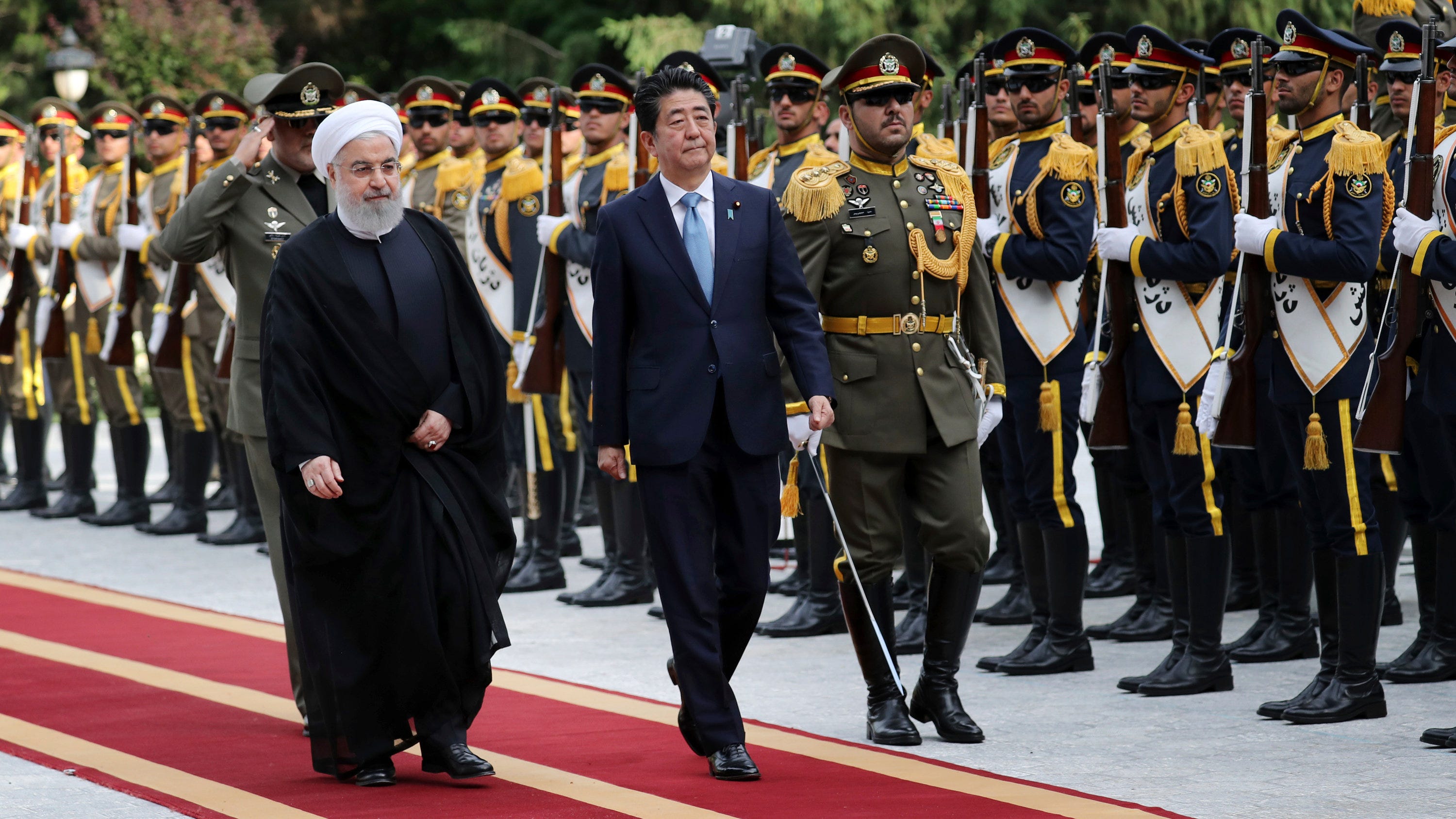
The most visible manifestation of this special relationship has been Japan’s recurring role as a mediator. Because Japan was the only major US ally that Iran truly trusted, Japanese Prime Ministers have frequently acted as shuttle diplomats. This peaked in 2019 when the late Shinzo Abe became the first Japanese leader in four decades to visit Tehran, specifically attempting to de-escalate tensions between the Trump administration and the Iranian leadership.
Japan’s value in these negotiations stemmed from its perceived lack of a hidden agenda. Unlike other powers, Japan’s interest was transparent: it wanted regional stability to keep the oil flowing through the Strait of Hormuz. This transparency created a level of credibility that allowed Japanese diplomats to deliver messages that Washington could not send directly. Even into early 2026, as the regional situation has deteriorated into the current conflict, the Japanese Foreign Ministry has continued to lean on these historical channels, establishing peace mediation units in a final attempt to use its special status to prevent a total economic collapse.
The Energy Imperative and the Strait of Hormuz
The dependency on Iranian energy has evolved significantly over the years, particularly as US-led sanctions forced Japan to diversify its suppliers toward Saudi Arabia and the United Arab Emirates. However, the special nature of the relationship has shifted from the direct purchase of Iranian oil to the broader security of the Strait of Hormuz. Iran’s ability to effectively close this waterway represents an existential threat to the Japanese economy. As of March 2026, with 95% of Japan’s oil coming from the Middle East and the vast majority passing through that 21-mile-wide chokepoint, the relationship with Iran now concerns the physical passage of Japan’s entire energy lifeline rather than the simple purchase of a product.
The Collapse of the Neutral Path
This is the point where the special relationship encounters its most severe friction. Historically, Japan could maintain its friendship with Iran because the cost of doing so was merely diplomatic friction with Washington. In the current 2026 landscape, where the United States is actively seeking a maritime coalition to break an Iranian blockade, the neutral intermediary role is becoming functionally impossible to maintain. Today, the Takaichi administration will likely find that the special status that has served Japan for 90 years has become a liability that complicates its ability to fully integrate with the American security umbrella.
Later today, I will explain why today’s summit in Washington will likely mark the end of this unique diplomatic era, and why Japan must ultimately pivot if pressed on protecting the Strait of Hormuz.
In solidarity, as ever
— Lori
Thank you for this article. Blessings for your health.....
As she, too, will fail to arrive in a suit. Pray she stands firm against treachery she's about to face.
"Courage is doing what is right" – Inazo Nitobe, Bushido, the Soul of Japan